Introduction: Silence the Panic, Not the Problem
That little orange or yellow light on your dashboard—the Check Engine Light (CEL)—can send a jolt of panic through any driver. Before you rush your vehicle into the shop or resign yourself to a massive repair bill, remember this: the light is a warning, not a death sentence (Jasper Auto Parts).
Modern vehicles are complex, but many minor issues can be identified (and sometimes resolved) with a few simple diagnostic steps. By knowing what to look for, you save time, you save money, and you approach your mechanic with confidence.
Here is a simple guide from Jasper Auto Parts experts to help you diagnose common vehicle warnings and determine the smart next step for replacement parts.
1. Decoding the Check Engine Light (CEL)
The CEL indicates an issue within your vehicle’s emissions or powertrain control system. The issue could range from trivial to terrifying.
- The Trivial Fix: The most common cause of a CEL is a loose or damaged gas cap. If the light comes on, the first step is to pull over, tighten the gas cap until it clicks, and drive for a day. If the light disappears, you just saved yourself a diagnostic fee.
- The Flashing Light: A flashing CEL is a severe warning that indicates a serious engine misfire. Do not drive your car if the light is flashing. This misfire can quickly damage expensive components like the catalytic converter. Pull over safely and arrange for a tow.
- The Steady Light: A steady CEL means an issue exists that needs attention soon, but generally isn’t an immediate threat. This is where you might need an inexpensive replacement part.
Expert Tip: If you have access to an OBD-II scanner (or can visit a local auto parts store that offers a free scan), note down the P-Code (e.g., P0300, P0420). This code is the key to identifying the exact component that needs attention from Jasper Auto Parts.
2. Identifying Trouble by Sound: From Squeak to Grind
Your ears are excellent diagnostic tools. Don’t ignore a strange sound—it’s often a clear indicator of which component is failing.
| Sound Description | Common Cause | Part Often Needed |
| High-Pitched Squealing (While braking) | Worn brake pads (metal indicator scraping rotor). | Brake Pads, Rotors, Calipers |
| High-Pitched Squeal/Screech (Under the hood, constant) | Worn or loose serpentine/accessory belt. | Serpentine Belt, Tensioner, Pulley |
| Grinding/Clunking (Over bumps) | Failed suspension components (bushings, struts, and control arms). | Struts, Shocks, Control Arms |
| Clicking/Ticking (Engine Bay) | Low oil pressure or a minor valvetrain issue. | Oil/Filter, Engine Component (potentially a remanufactured Jasper Auto Parts engine) |
3. The Final Diagnostic: When to Call Jasper Auto Parts
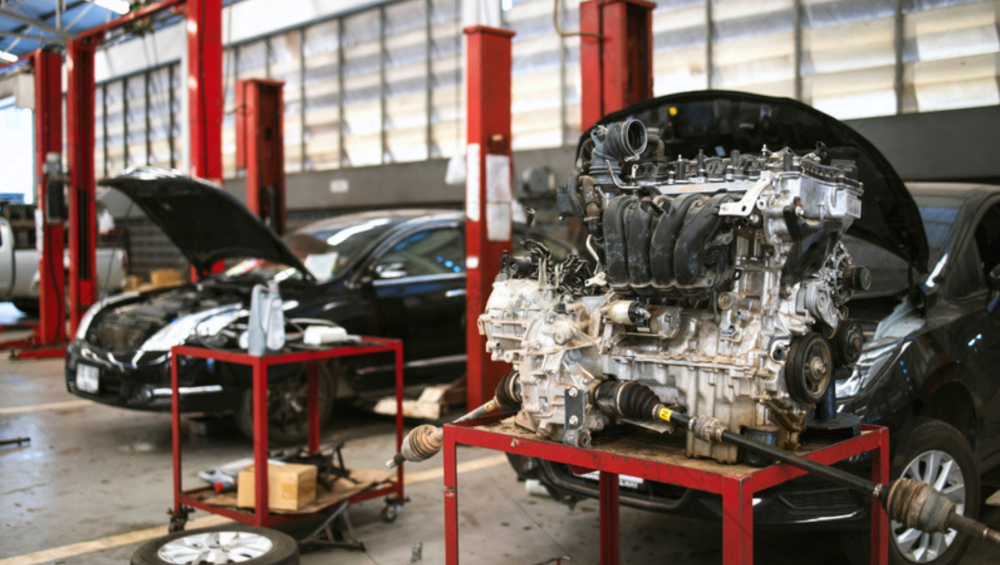
You’ve checked the gas cap, tightened the belts, and identified the sound, but the underlying issue points to a major component—like an engine, transmission, or differential—or a complex part like a fuel pump. This is the moment to stop the DIY diagnosis and start focusing on quality replacement.
Why trust Jasper Auto Parts for the solution?
- Remanufactured Quality: Our remanufactured units (Engines, Transmissions, etc.) are completely disassembled, cleaned, and inspected. Any part not meeting original equipment manufacturer (OEM) standards is replaced with new or qualified parts. This is fundamentally different (and better) than buying a “used” part from a junkyard.
- Worry-Free Warranty: We back our quality with an industry-leading 3-year/100,000-mile nationwide, transferable parts and labour warranty on most applications. When you buy from Jasper Auto Parts, you buy peace of mind.
- The Right Fit: From sensors and filters to complete differentials, we stock the exact, high-quality components you need to fix the issue identified by your diagnostics.
Don’t ignore that light. Take the initial steps to understand the issue, and when it’s time for a quality fix, trust the parts engineered to get you back on the road reliably.